
Simplify Asset Management Process
Track assets from deployment
to retirement
Simplify Asset Management Process
Track assets from deployment to retirement
Complete Asset Management Solution
Manage, track and maintain assets efficiently
What is Asset Management?
Optimizing Performance Through Lifecycle Control
Asset management is an important function that helps to guarantee that the operational performance of assets can be optimized and that they stay reliable. Asset lifecycle management helps in having improved control over asset health and it forms the basis of asset management in business. Organizations that have multiple expensive and complex assets require enterprise asset management.
Construction, defense, manufacturing, oil and gas, space and such industries are the ones that require EAM and asset management software. The lack of proper asset management processes and/or software can give rise to heavy expenses for repairs and maintenance of assets and lead to confusion regarding their status, the requirement of assets for the organization and so on.
Advantages of Asset Management Software
Improving Efficiency with Asset Software
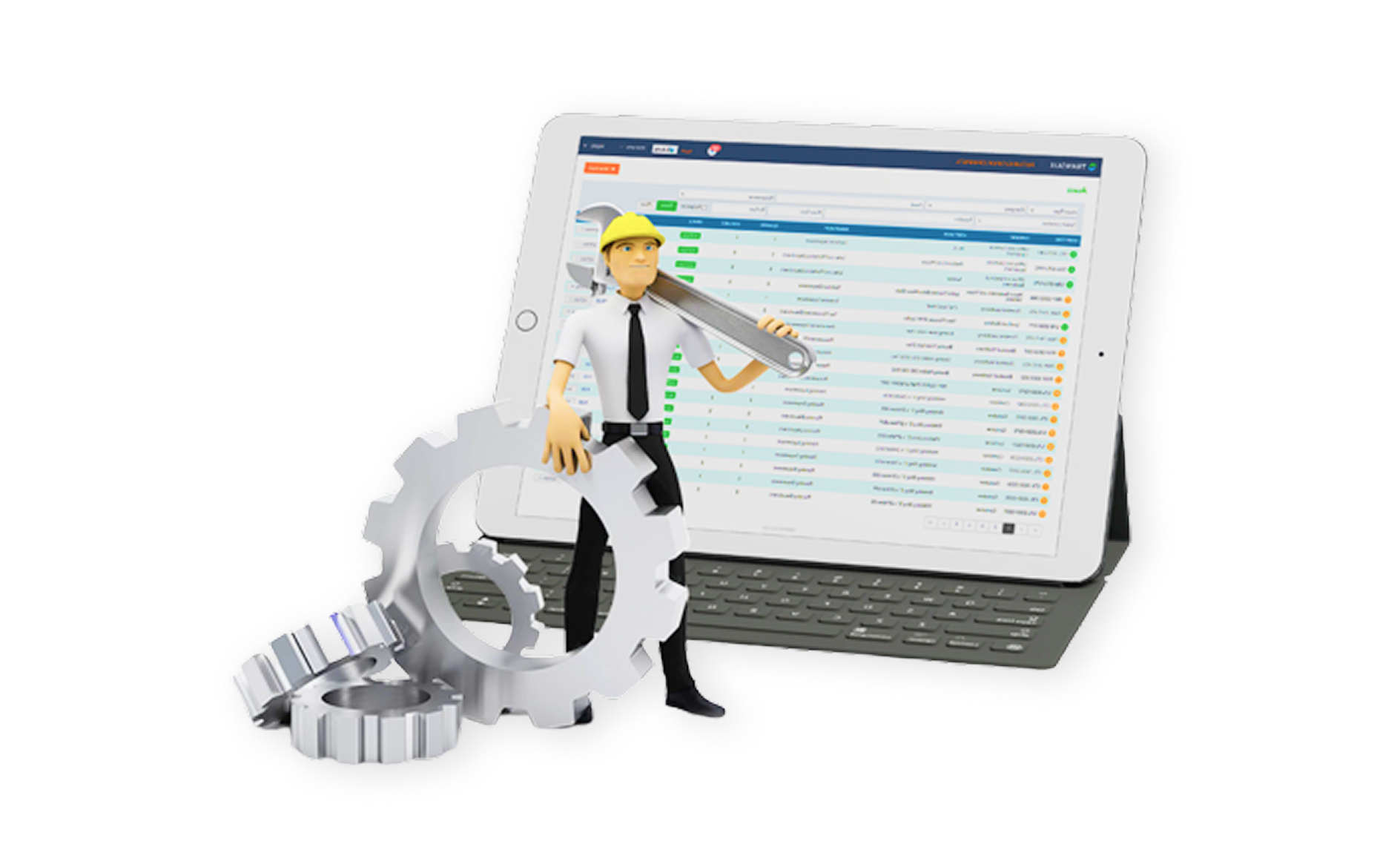
Some businesses maintain manual records of their valuable assets through spreadsheets or paper-based systems. However, manual records have significant shortcomings like data redundancy, missing critical information, recording errors and vulnerability to fraudulent manipulation. They also require dedicated employees to constantly update records whenever asset status changes.
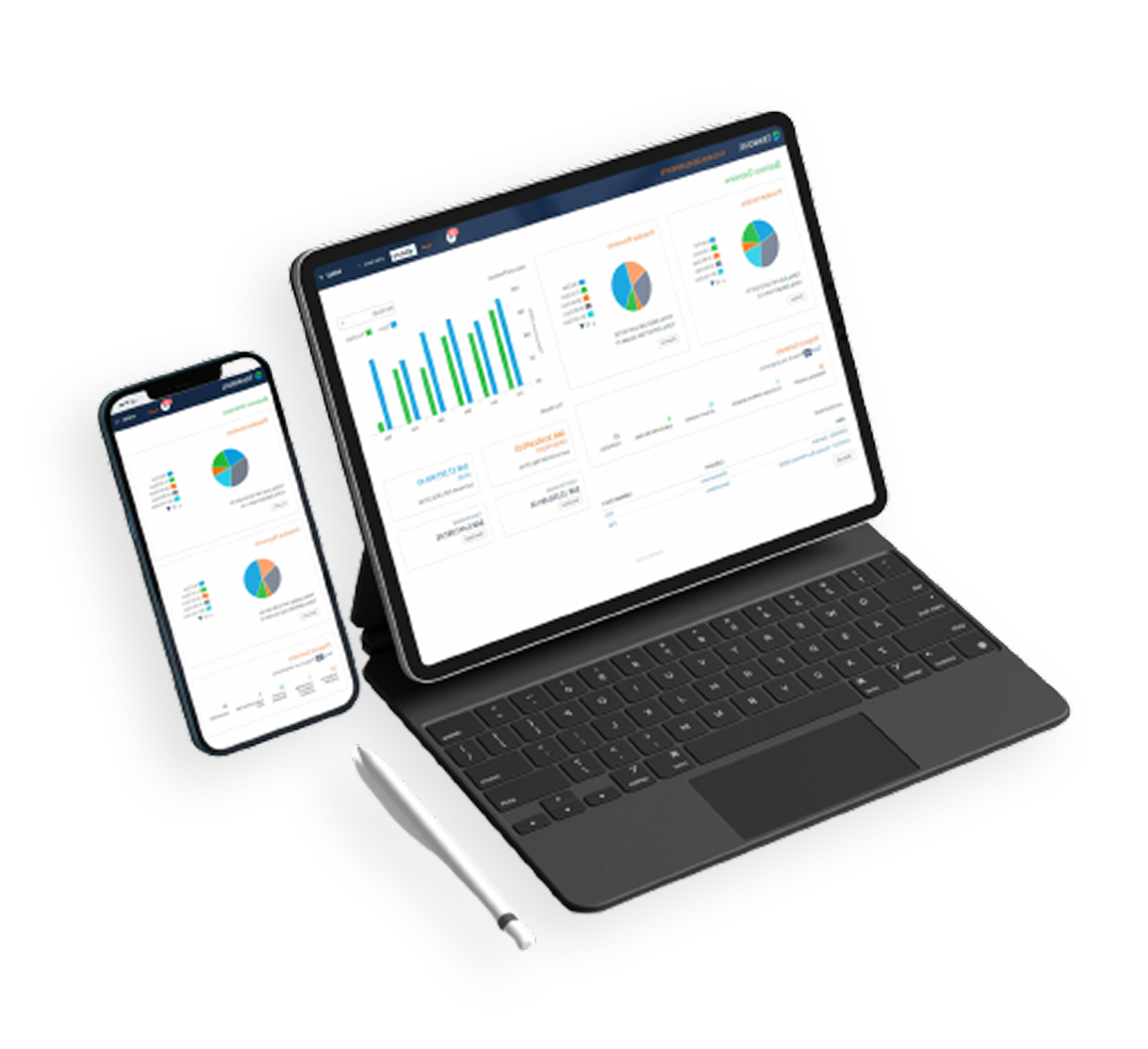
Asset management software from Cquens provides compelling advantages including elimination of human error, consolidated data access and detailed asset information covering manuals, warranties, maintenance history, repairs, breakdowns and transfers. The Cquens solution saves employee time and effort while enabling cross-departmental information sharing. The software sends automated alerts for scheduled maintenance and inspections, preventing sudden breakdowns that could halt production and cause costly operational disruptions.
Asset Transfer
Track Asset Transfers Easily
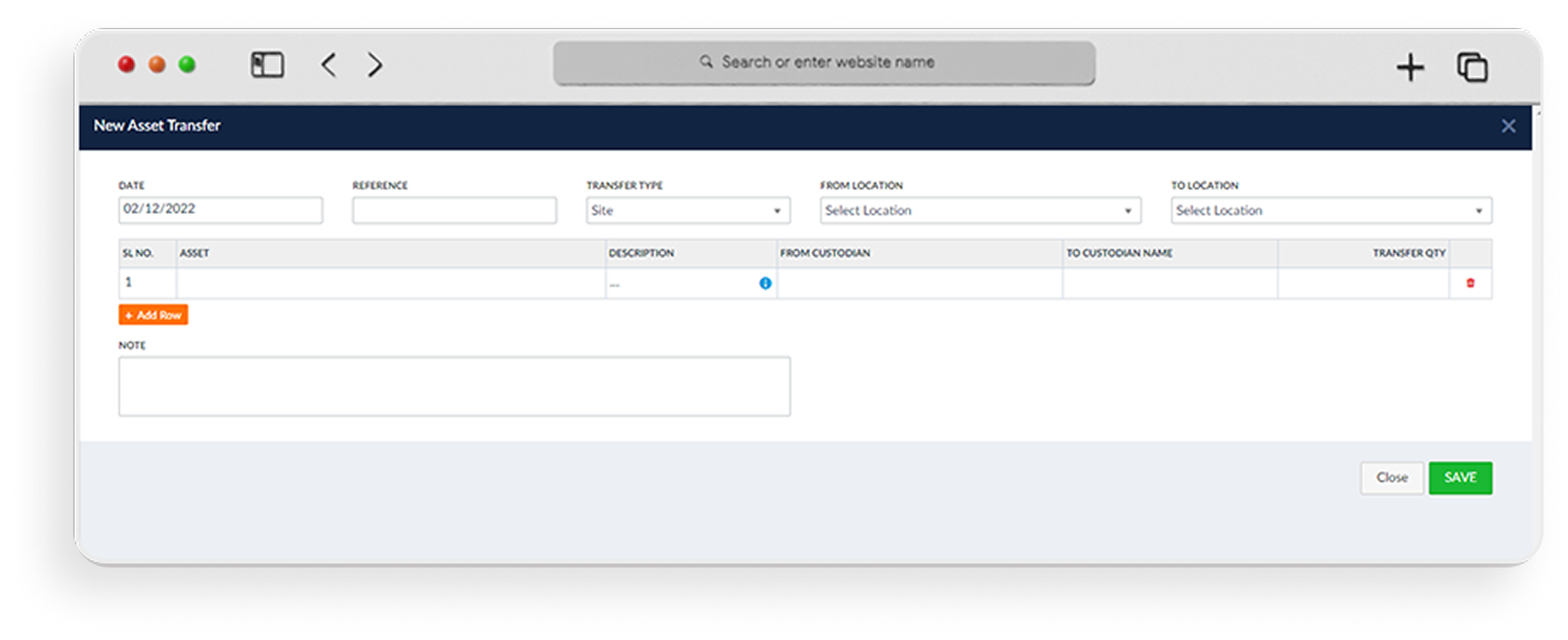
Assets like industrial equipment often need to be transferred within organizations for operational reasons. Cquens efficiently tracks asset transfers between sites, departments, or custodians, maintaining complete visibility and accountability throughout the process.
Examples include moving an earth mover between construction sites for new projects, transferring computers from HR to Accounts during restructuring, or reassigning a cement mixer to a new employee when the previous custodian retires or gets promoted. This comprehensive tracking ensures proper asset accountability and prevents loss or misplacement during organizational changes.
Asset Transaction
Monitor Asset Value and Status
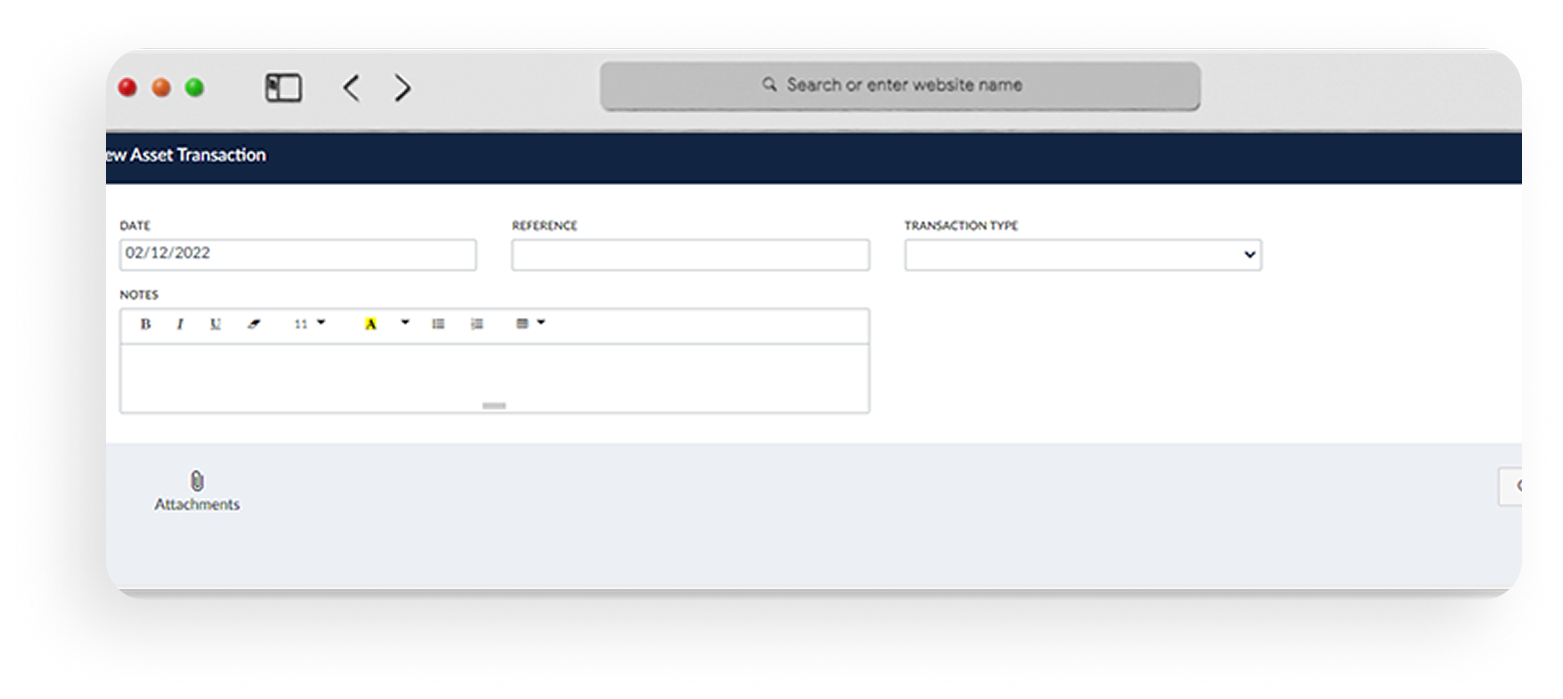
Cquens asset management solution monitors assets throughout their complete lifecycle, from purchase to disposal, maximizing value while maintaining regulatory compliance and operational efficiency.
The system manages Purchase by recording asset details, warranty periods, maintenance schedules and specifications. It tracks Damage for assets beyond repair, handles Disposal when assets are sold due to lifecycle end or obsolescence and automatically calculates annual Depreciation for tax compliance. Additionally, Re-Evaluation capabilities help assess dynamic market trends, allowing accurate reassessment of asset values, especially for real estate and equipment that fluctuate based on market conditions, ensuring financial records reflect true asset worth.
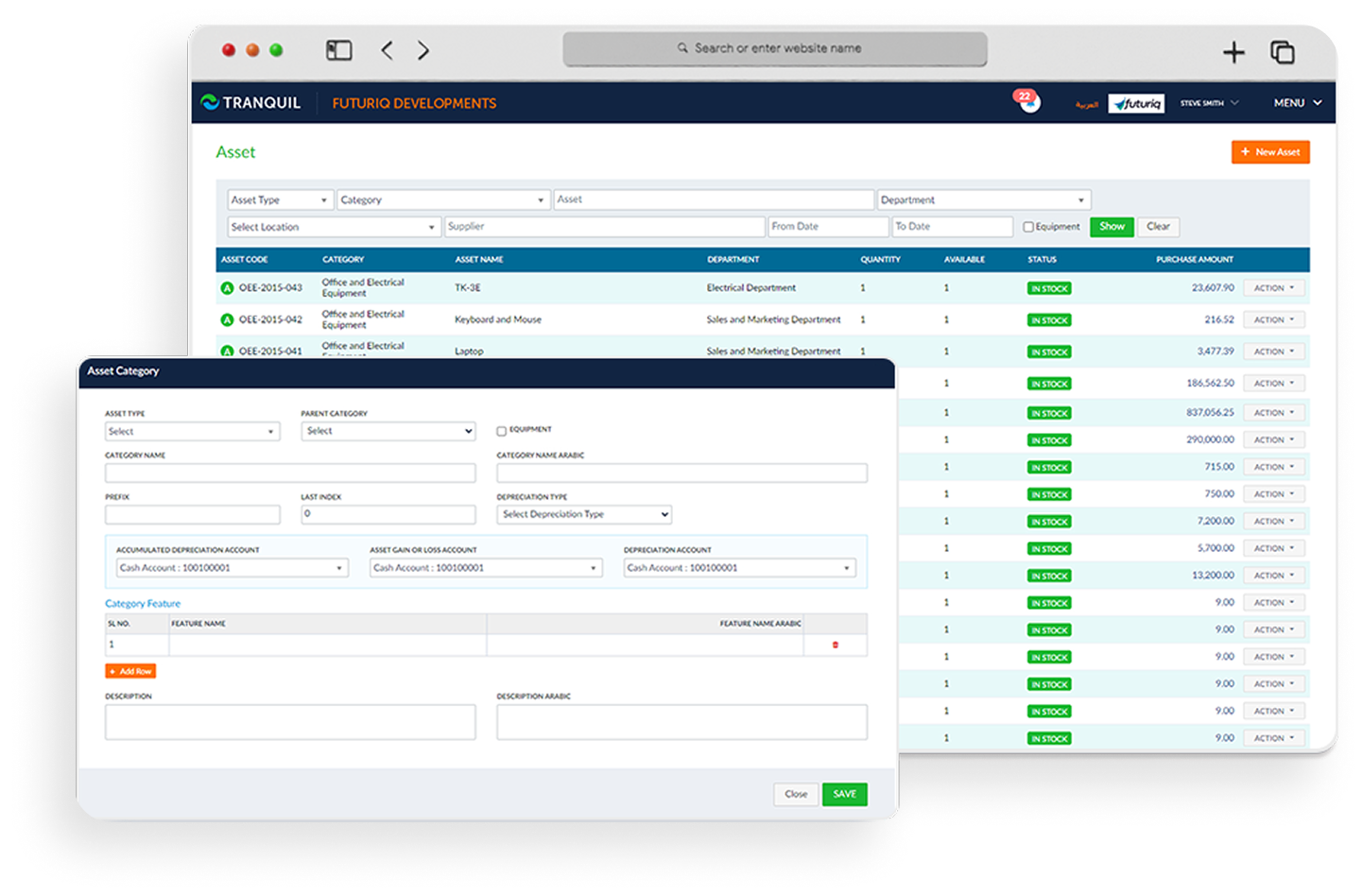
Asset Category
Fixed Asset Categories and Examples
Assets represent ownership, have economic value and help generate revenue for the business. Fixed assets are of two broad categories – tangible and intangible.
Tangible assets are physical assets like office equipment, industrial machinery, furniture, vehicles, real estate property and so on. Intangible assets are those which cannot be seen but are essential to a business, like goodwill, patents, licenses, trademarks and so on.
Asset Type
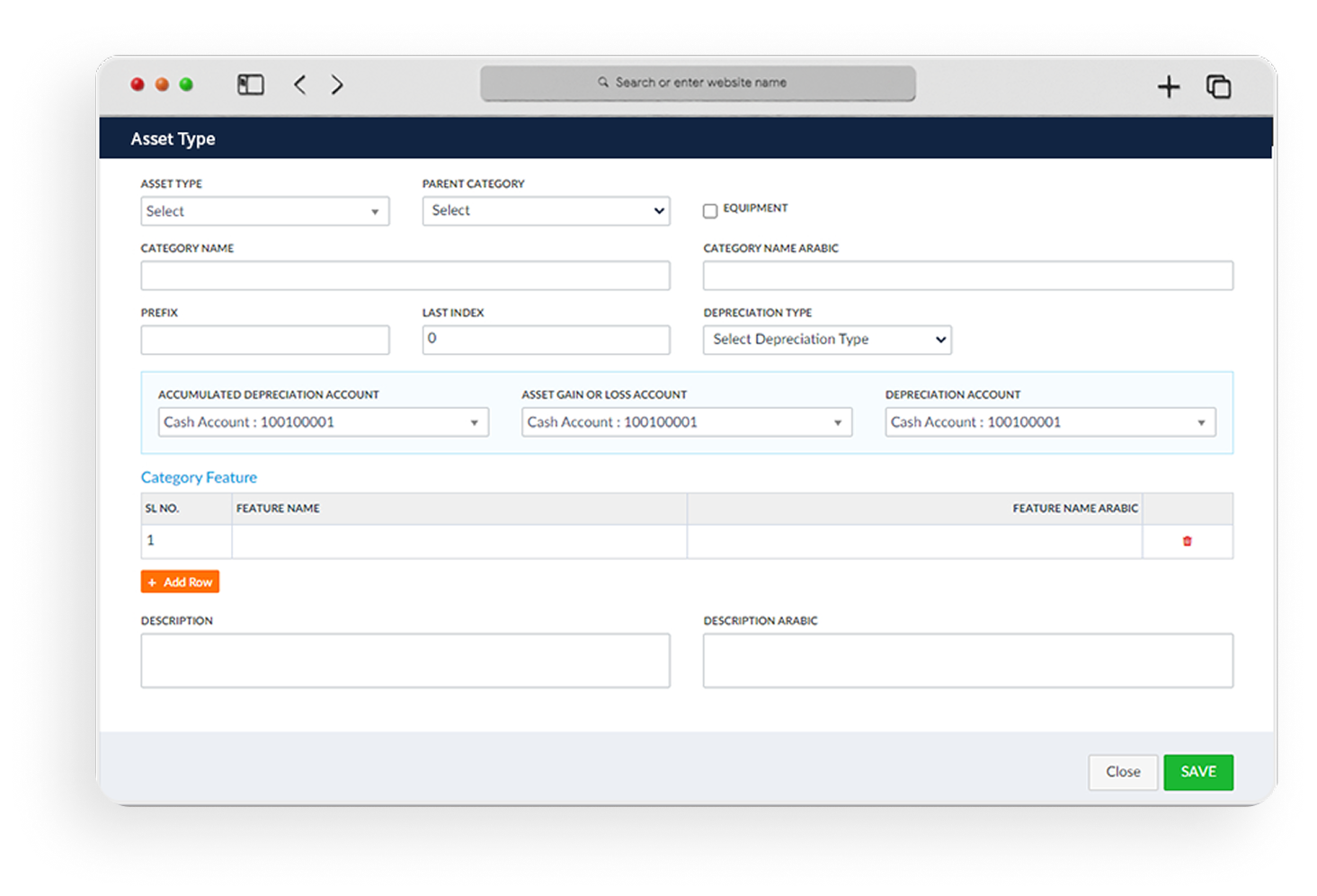
Grouping Assets by Function and Use
Divide your tangible assets into organized types for easy maintenance and systematic management. This categorization streamlines asset tracking, maintenance scheduling and ensures proper resource allocation while maintaining comprehensive oversight.
Asset types include Electronic equipment like laptops, printers and IT hardware. Production equipment including extruders, molds and cement mixers. Real estate assets such as warehouses, factories and office spaces. Office equipment encompassing furniture and workplace essentials and Inventory consisting of raw materials, components and finished goods. This systematic classification enables efficient asset management, maintenance planning and accurate financial reporting across all business asset categories.
Asset Status
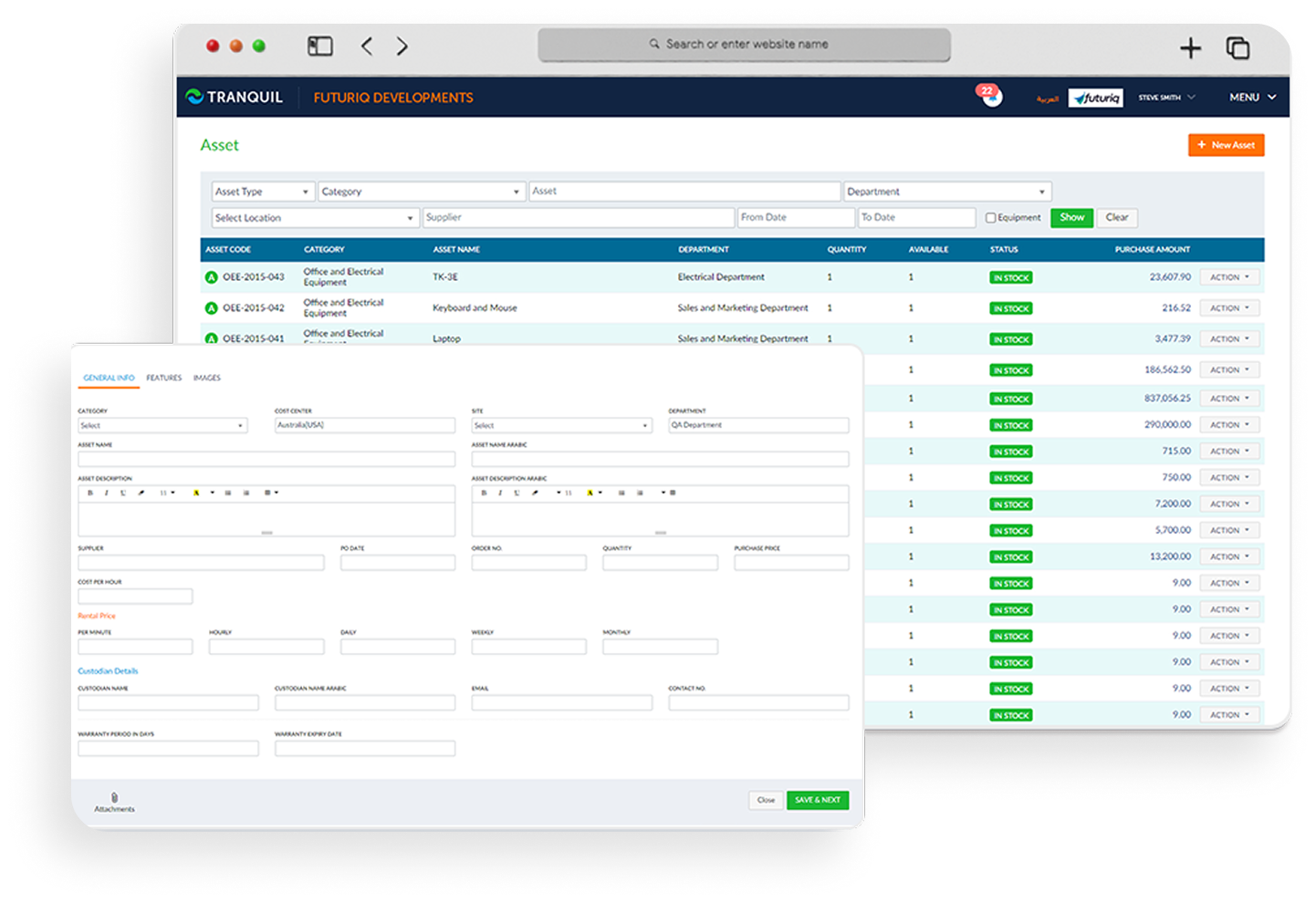
Monitoring Asset Status for Reliability
Track the status of your assets and ensure they are serviced at appropriate times to increase their operational efficiency and extend their lifecycle. Avoid sudden breakdowns, downtimes, and expensive repairs.
Ensure continuous production and smooth workflows. Maintain detailed records of each maintenance service and repair.
We’re Here to Help
Get in Touch
Have questions or need assistance? Our team is ready to provide support and guide you every step of the way.